
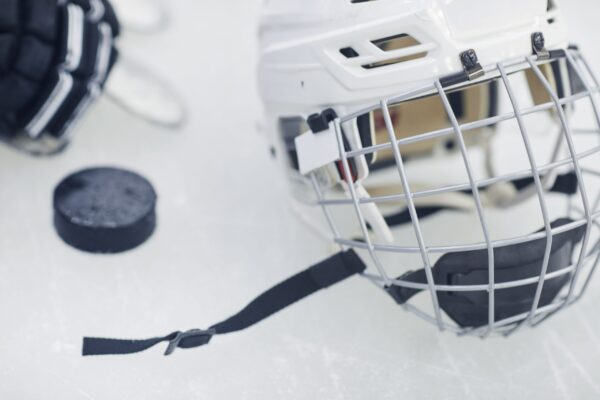
Knowing the best hockey helmet visor is important for players who want clear vision and face protection in games and practice on ice. Visors reduce the risk of face injury, help see the puck better and let players play safer; they also keep comfort and balance when skating fast.
Protection Features of Best Hockey Helmet Visors
The primary function of a visor is shielding eyes and the upper face from sticks, pucks, and accidental contact. High–quality visors made from impact–resistant polycarbonate, which can absorb shocks without cracking easily. Thickness of material affects safety and weight balance. A thicker visor gives stronger protection but slightly increases the front weight on the helmet structure.
Coverage and Safety Standards
Different visor shapes give different protection. Some visor covers only eyes; other longer designs cover the nose bridge and upper cheeks. A safety certificate is important because it is an approved visor test for hit resistance and lasts long in game situations. Tight screws and side brackets are also needed so the visor does not move in a crash or sudden stop on ice.
Vent slots are sometimes put in to stop fog. Anti–scratch coats make visors last longer and keep them clear after many cleanings. A bad coat makes vision blur fast; this can make reaction slow in play. Check the visor often for cracks, loose screws or damage after a hard game and practice.
Optical Clarity and Visibility in the Best Hockey Helmet Visors
Clear vision is essential for following the puck and knowing the space on the ice. How clearly you see depends on material quality and surface finish. Visors without distortion help players see correctly in fast play. Tinted visors are sometimes used to reduce bright rink light, but they must stay clear enough for safe play and for the referee to see.
- High transparency for accurate vision.
- Anti–fog coating for stable visibility.
- Scratch–resistant surface for durability.
- Lightweight design for comfort balance.
- Secure attachment to helmet shell.
Fog happens often in cold rinks when warm and cold air meet. Anti–fog treatment and excellent airflow help reduce this problem. Players often clean with a soft cloth and gentle solution to keep the coating safe. Hard or rough cleaning can damage the surface and make small scratches; this makes vision worse when playing.
Compatibility and Maintenance of Hockey Helmet Visors
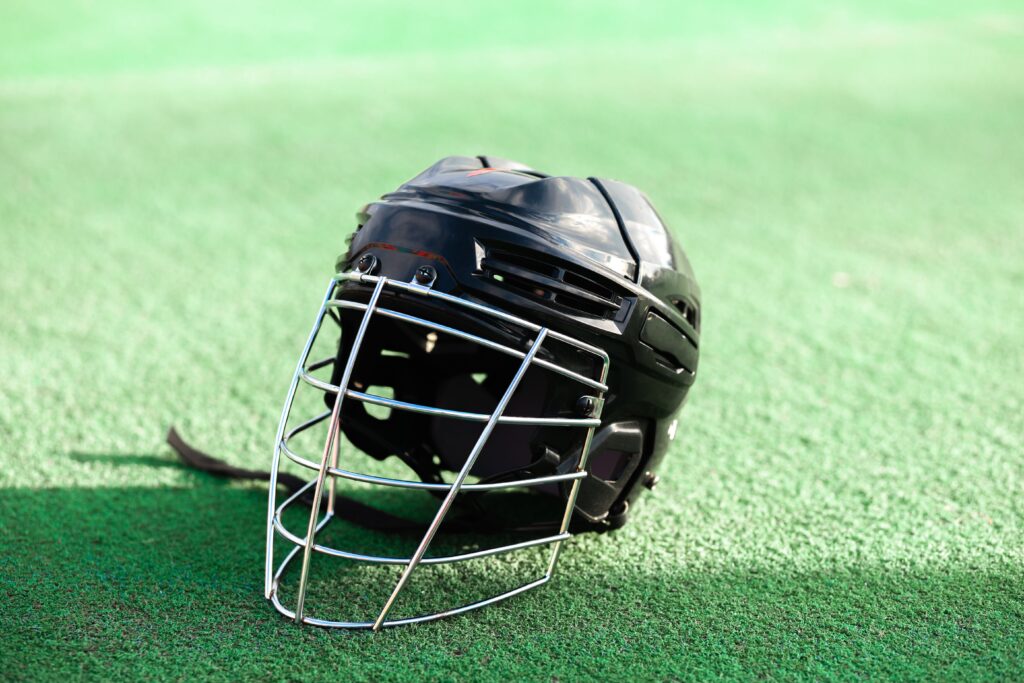
Compatibility between the visor and helmet model is critical for correct installation. Not all visors fit every helmet design, so checking mounting hole alignment and curvature is necessary before purchase. Adjustable spacers help create proper distance between face and visor, improving airflow and comfort.
- Verify visor size matches helmet model
- Tighten screws evenly during installation
- Clean visor after each session
- Store helmet in a dry environment
- Replace visor if cracks or deep scratches appear
Maintenance plays a strong role in long–term performance. Moisture, sweat, and ice particles can degrade coatings over time. Dry storage and regular cleaning preserve clarity and structural integrity. Overtightening screws should be avoided, because it may cause stress cracks in mounting points and reduce impact resistance.
Visors evolved from simple plastic shields to advanced protective accessories with improved coatings and ergonomic curvature. Their integration into modern hockey equipment increased safety without blocking peripheral vision. Players at amateur and youth levels widely use visors for a balanced combination of protection and visibility. Proper selection based on coverage, clarity, and compatibility ensures stable performance and a safer gameplay experience. Consistent inspection and replacement when worn maintain reliable protection during the entire season and support confident performance in dynamic and physically demanding ice hockey environments.
Comments are closed