
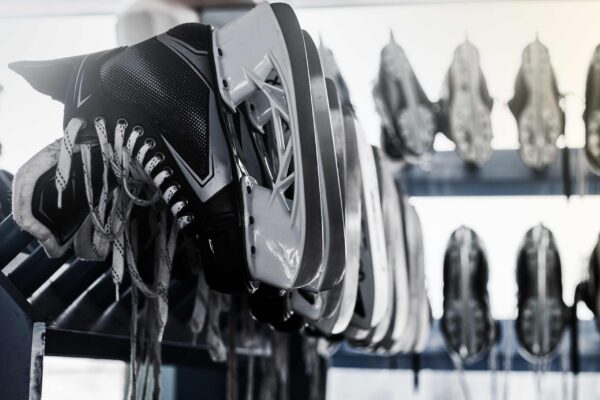
Selecting the best junior hockey skates is critical for young players who train and compete on ice at school, club, or regional level. Proper skates support foot growth, protect ankles, and improve balance during fast movements, helping children develop skating skills safely and with stable control in different rink conditions.
Fit and Comfort in Best Junior Hockey Skates
Correct fit is the first priority when choosing skates for juniors. The boot must sit tight around the heel and midfoot, but the toes need a small space to move. If the skate is too large, the foot slides inside and stability is reduced. If too small, pressure points appear, and pain during long practice becomes a problem.
Boot Construction and Padding
Modern junior skates use synthetic material; they are light and strong. Inside padding helps stop friction and blisters. Ankle support is important because young players are still learning coordination. Stiff boots give more control; in turn, soft boots help beginners adapt easily. Lacing must hold the foot tight but not cut off blood.
Blade holder and steel quality change how skates glide and edge control. Stainless steel runners are common because they do not rust from ice water. Regular sharpening is needed to keep a good grip on ice. Hollow radius depends on player weight and skating style, so parents often ask the coach before changing blade shape.
Performance Factors of Junior Hockey Skates
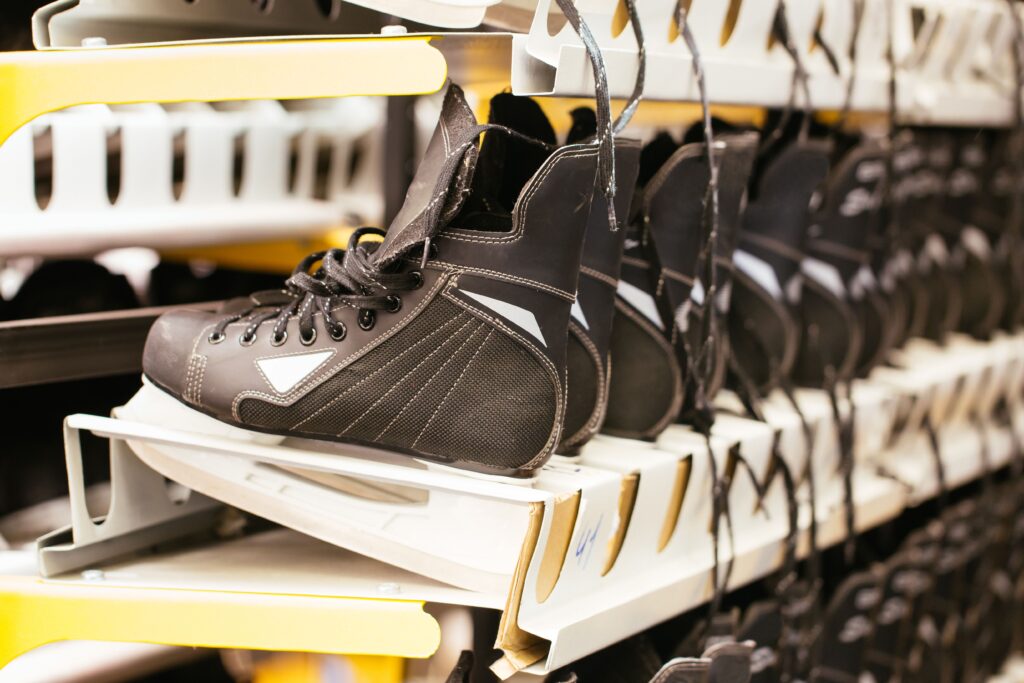
Performance is connected with energy transfer from leg to ice. When the boot structure is strong, force from the stride goes directly into the blade without loss. This improves acceleration and stopping power. The weight of the skate also affects fatigue–lighter models reduce strain during long sessions.
- Proper heel lock for stable balance
- Reinforced ankle area for injury prevention
- Durable outsole for long–term use
- Quality steel for consistent edge retention
- Breathable liner to manage moisture
Ventilation is a small but important detail. During intense drills, inside temperatures rise and sweat accumulates. Good liner materials absorb moisture and dry faster after practice. Skates should be removed from the bag and aired out to prevent odor and material breakdown. A dry environment extends the lifespan of both the boot and steel components.
How to Choose the Best Junior Hockey Skates by Level
Different skill levels need different boot stiffness and designs. Beginners benefit from medium support and a comfortable structure. Middle–level players need more side stability for sharp turns. Advanced juniors often choose very stiff models like adult performance skates.
- Measure foot length and width before buying.
- Try skates with game socks for correct fit.
- Check heel movement when standing and bending.
- Make sure blades are straight.
- Check size every season because they grow fast.
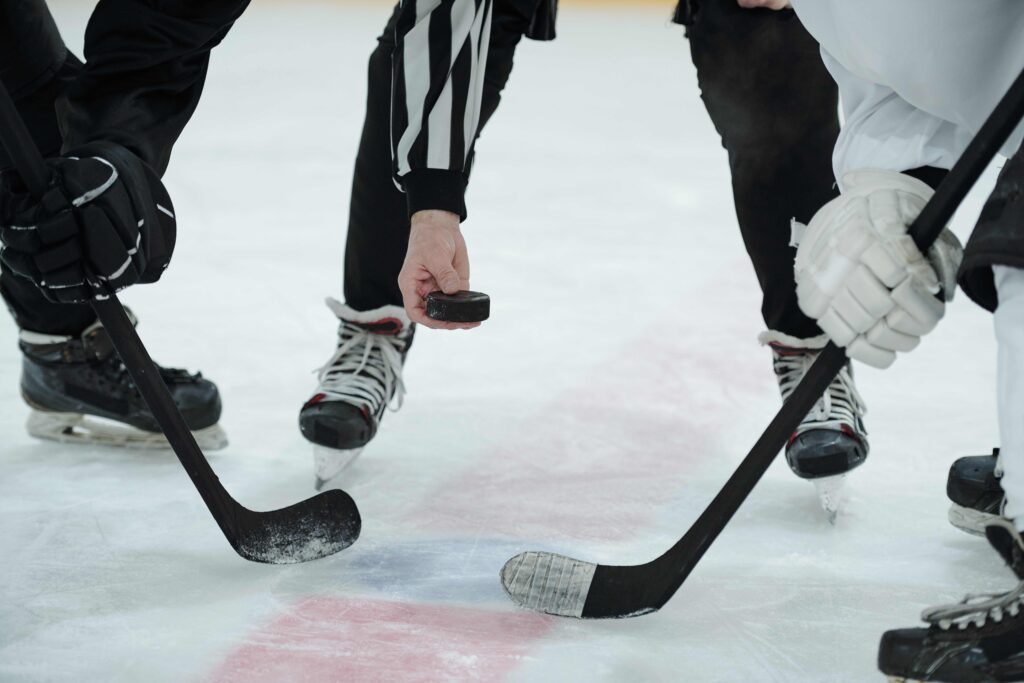
Growth factor makes selection more complex for parents. Buying an extremely large size is not recommended, because it harms skating mechanics. Slight growth is acceptable, but control must remain stable. Regular monitoring of fit during the season helps detect when a skate becomes tight or uncomfortable.
Safety aspects are also connected with tongue protection and toe cap strength. Puck impacts and stick contact happen frequently, so a reinforced front area is important. High–quality eyelets prevent lace tearing under tension. Over time, materials compress and lose support; therefore, replacement every one to two seasons is common for active young athletes.
Understanding structural elements, fit principles, and performance features allows informed decisions when searching for the best junior hockey skates. Correct equipment supports skill progression, confidence on ice, and injury risk during demanding training schedules. Careful selection and maintenance ensure reliable use throughout the season and stable skating development for growing players.
Comments are closed