
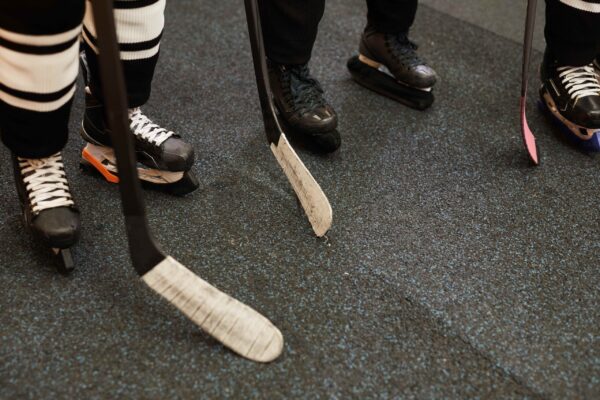
Choosing the best stick tape is important for players who want better grip, control, and durability on the ice. This type of hockey accessory is used on the blade and handle in rinks and trainings during every season because it protects the stick and helps puck handling in a simple and practical way for both beginners and experienced athletes in many leagues worldwide.
Characteristics of Best Stick Tape
Good stick tape is usually made from cotton or a synthetic blend with an adhesive layer. Texture should be rough enough to increase friction but not too thick, because heavy tape can change puck feel. Players often select tape that absorbs small amounts of moisture from ice and snow. Color options also matter, since dark tape can hide puck better, while white tape makes wear easier to see during equipment checks.
Material and Adhesion
Material quality affects how long the wrap stays on the shaft. Strong adhesion prevents peeling during shots and passes. Low–quality tape loses stickiness fast and requires frequent rewrapping. Balanced elasticity is also important, because tape must bend with the blade curve and not crack in cold arenas. Many players test several brands before finding a stable option that fits their playing style and stick model.
Best Stick Tape Usage and Application Methods
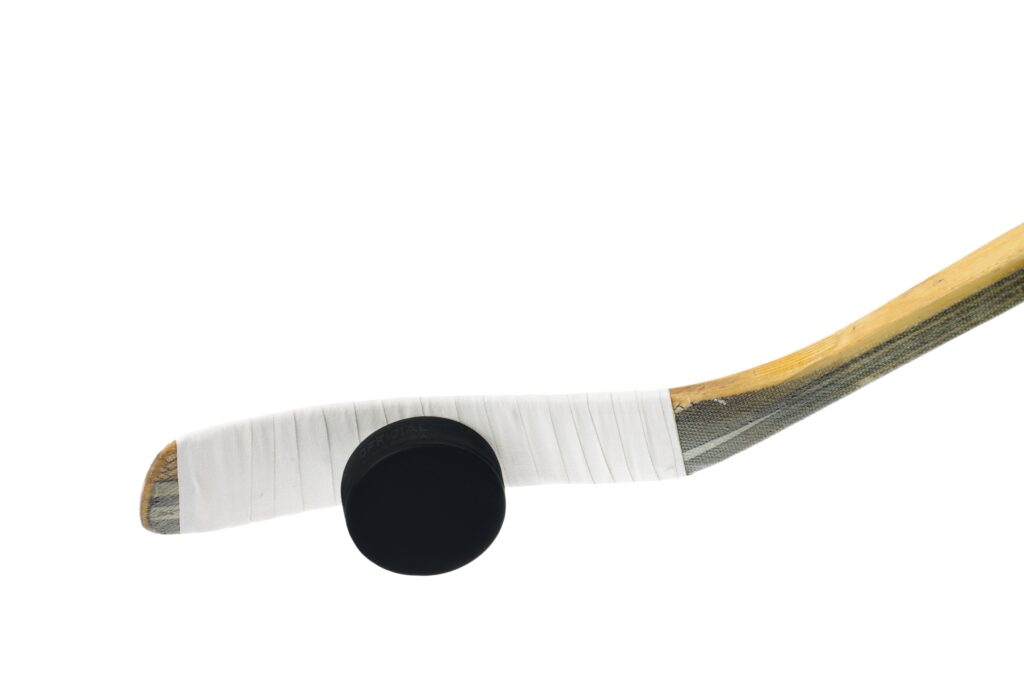
Correct wrapping technique improves performance more than random taping. First, the blade area is covered from heel to toe with slight overlap layers. After that, the knob on top of the handle was wrapped to give a secure grip for gloves. Some athletes add wax over tape to reduce water absorption and extend lifespan. Regular replacement is recommended when the surface becomes smooth, since grip and puck control reduce in a noticeable way during intensive matches.
- Increased grip on stick handle and blade
- Better puck control in different ice conditions
- Protection of blade edges from small damage
- Absorption of vibrations during shots and passes
- Simple and low–cost equipment maintenance
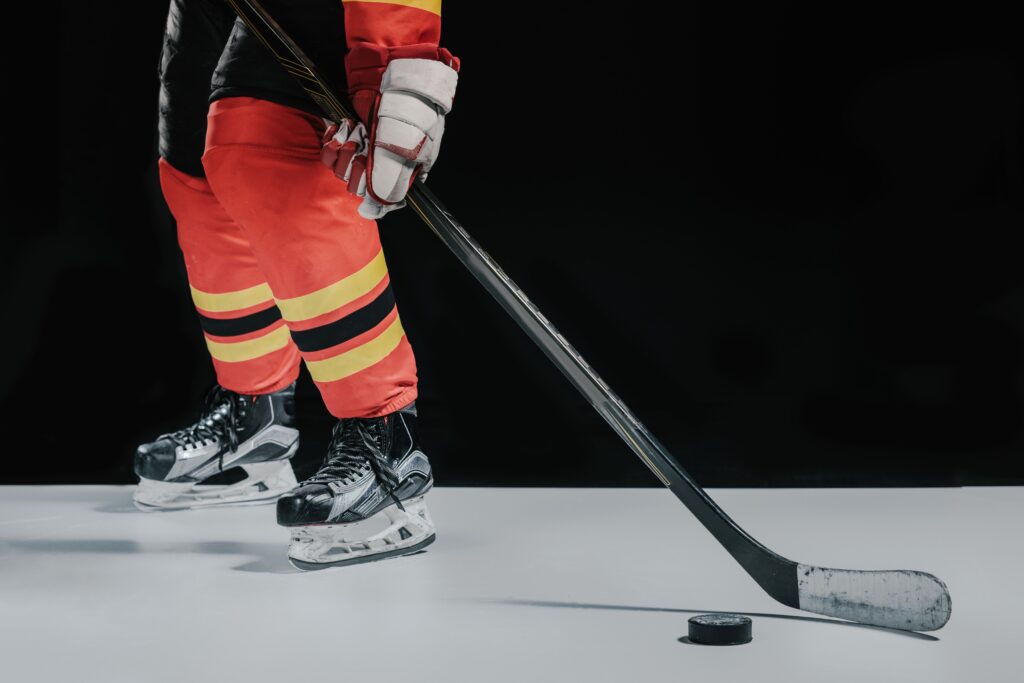
Different climates and ice quality can change how tape behaves during a game. In very cold rinks adhesive becomes harder and may not stick well without warm application. Humid environments cause faster wear and darkening of fibers. Because of this, hockey players keep spare rolls in their bags and replace tape before competitions. Storage in a dry place also helps preserve glue strength and texture for a longer period.
Comments are closed